Best Times to Trade Forex: Market Hours in Thai and Lao Time
The Forex market is open almost 24 hours, but activity varies a lot. Learn about the Asian, London and New York sessions, overlaps, and holidays to watch.
This article was compiled automatically from the sources listed below

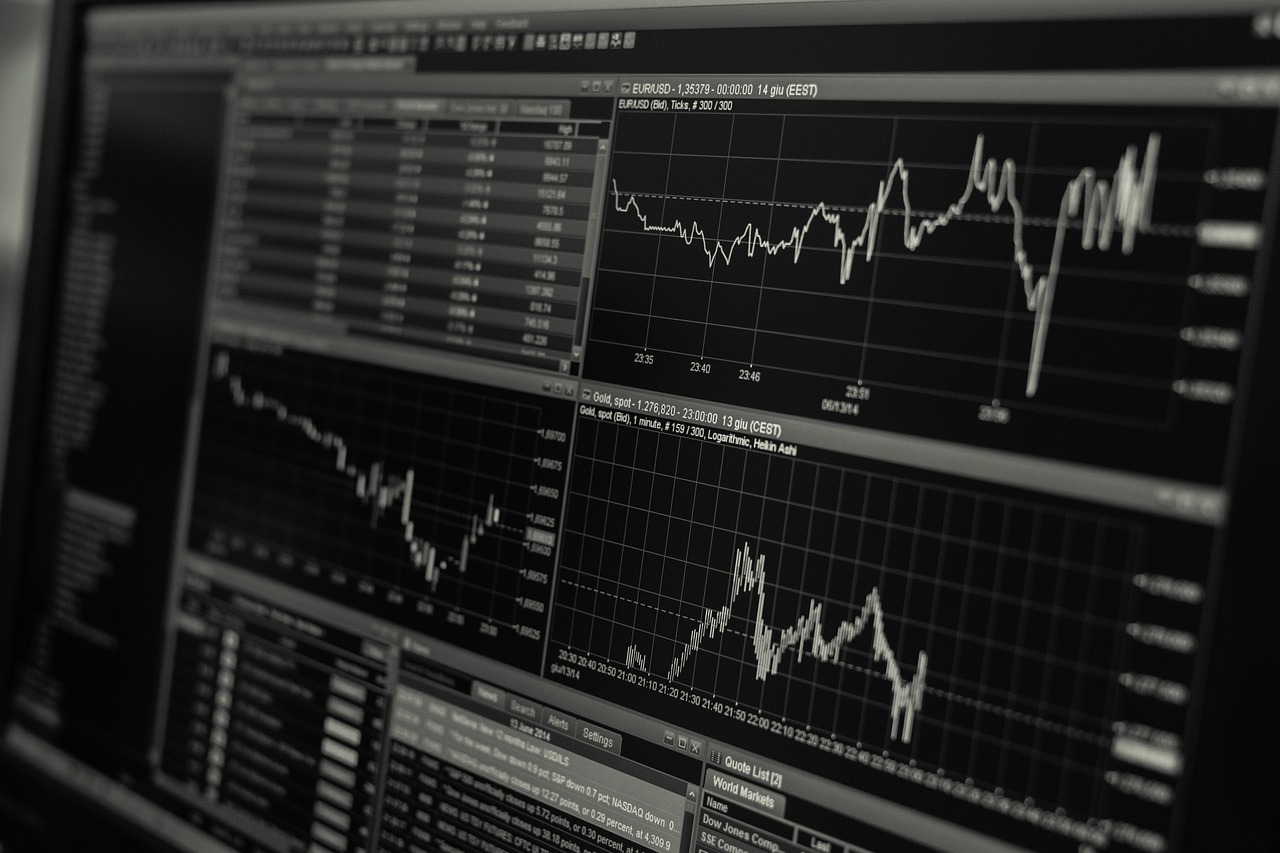
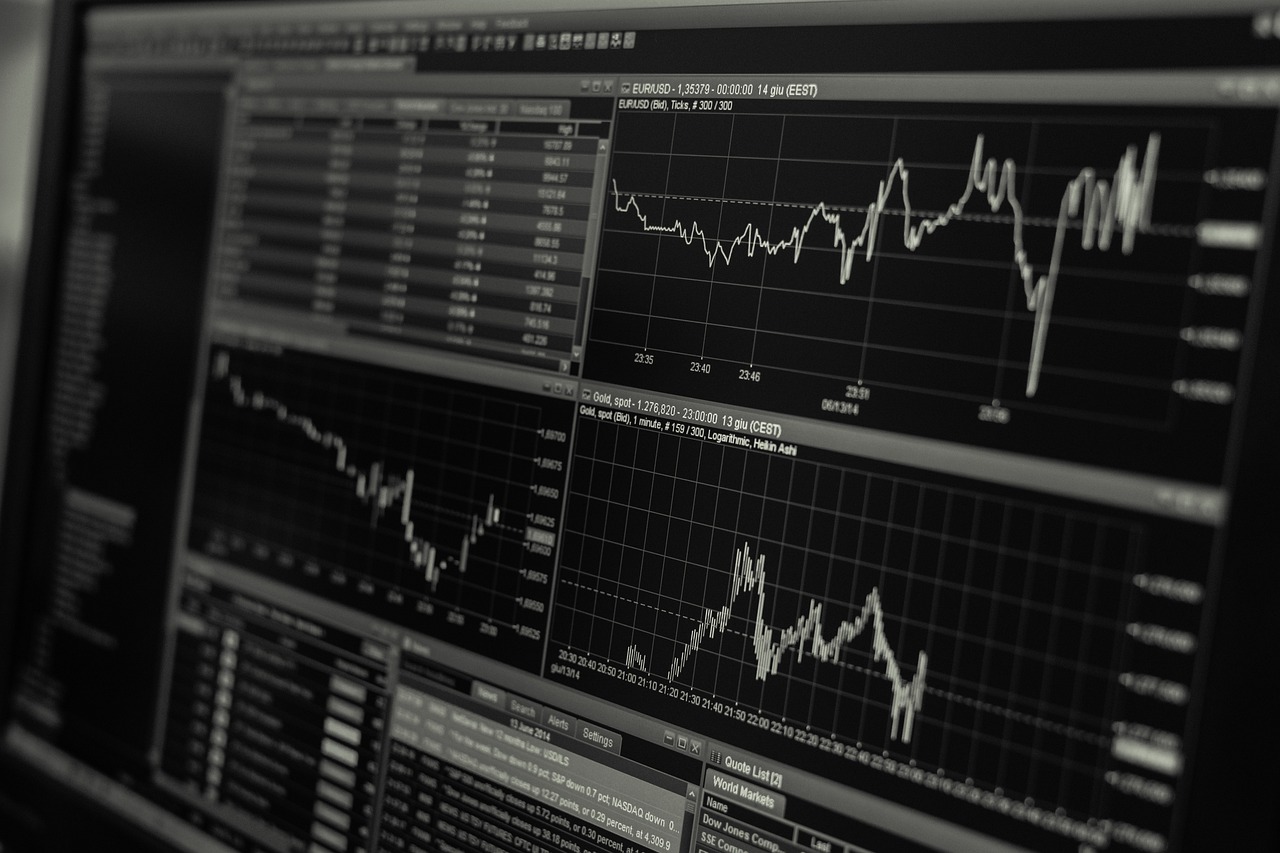
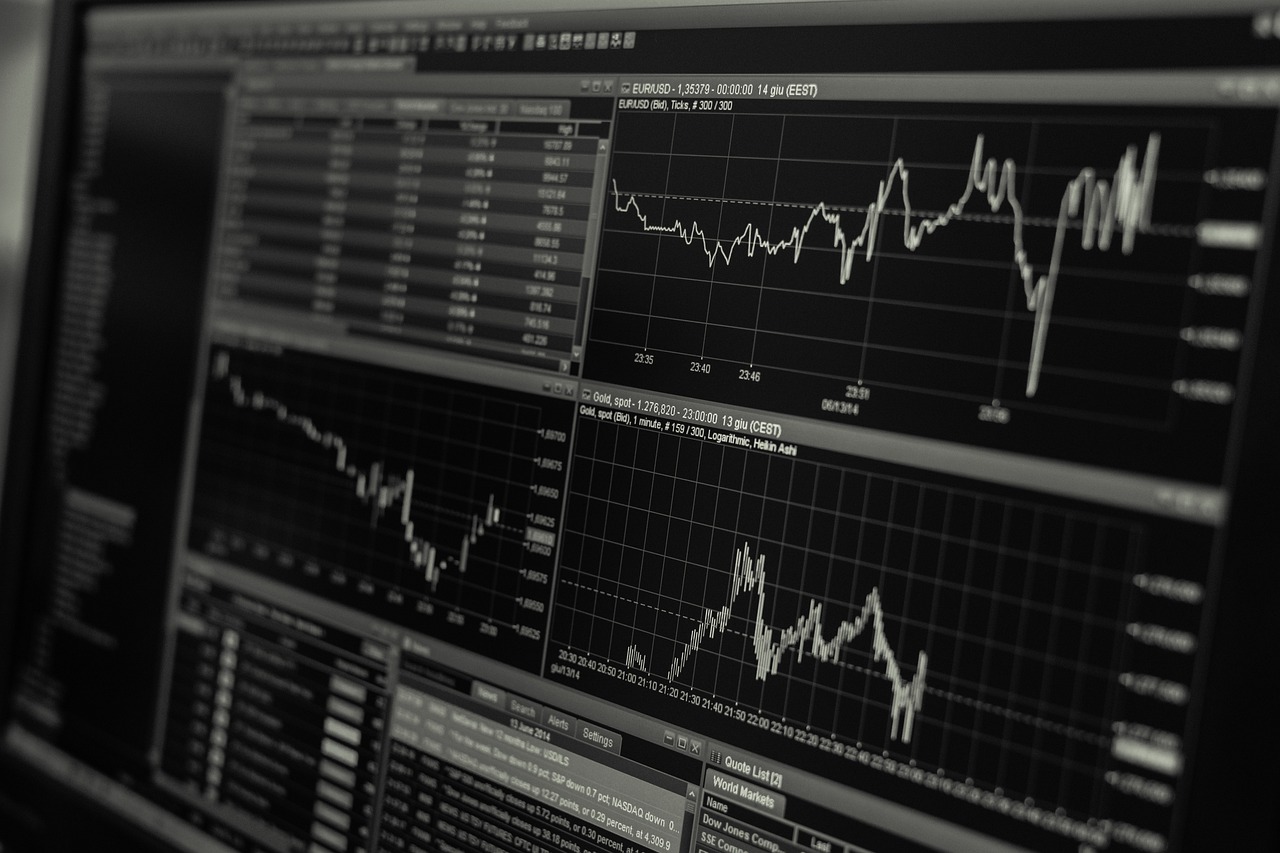
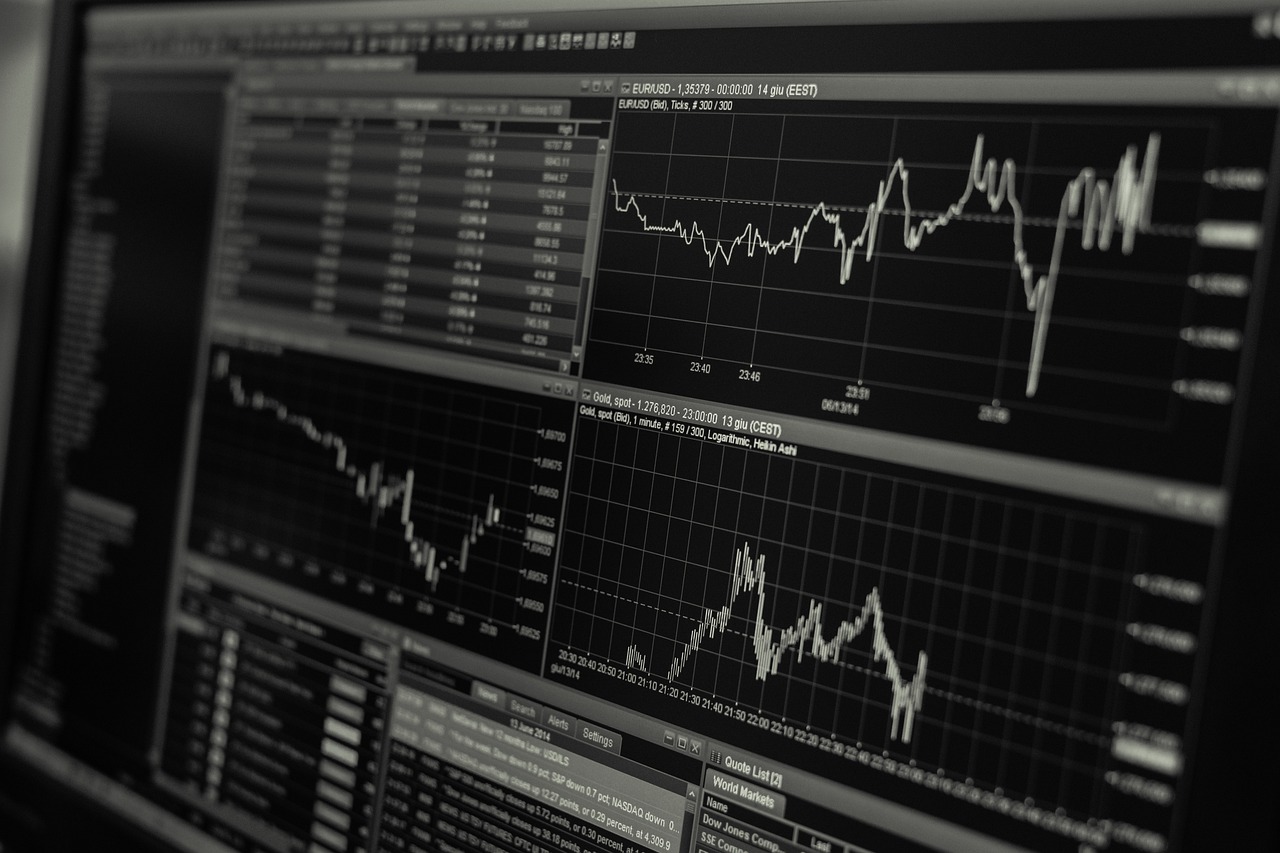
The Forex market runs continuously from Monday morning to Saturday morning in Thai time. But "always open" doesn't mean "always busy." Many beginners don't realize that the time you choose to trade directly affects your costs and how much prices move.
This article explains the main market sessions, how to convert them to Thai and Lao time, and what to watch out for, so you can pick times that fit your plan and your daily life.
Why the Forex Market Is Open Almost 24 Hours
Forex doesn't have one central exchange the way the stock market does. Trading happens through banks and financial institutions around the world. When one financial center closes, another opens, so trading is passed along like a relay around the globe.
Thailand and Laos are both on UTC+7, so the times in this article work for both countries.
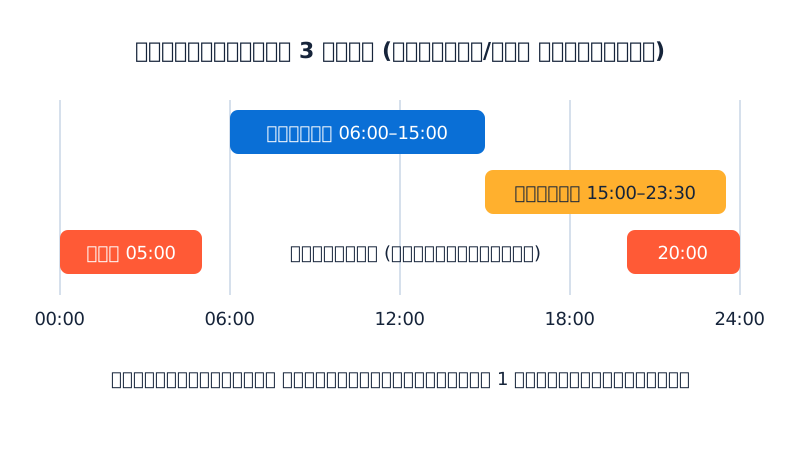
The 3 Main Sessions (Approximate, in Thai/Lao Time)
| Market | Approximate time | Currencies often involved |
|---|---|---|
| Asia (Tokyo/Sydney) | 06:00 – 15:00 | JPY, AUD, NZD |
| London | 14:00/15:00 – 22:30/23:30 | EUR, GBP, CHF |
| New York | 19:00/20:00 – 04:00/05:00 | USD, CAD |
The times above are only rough guides. They may differ slightly between providers and between instruments, so always check the actual times on the platform you use.
The Asian Session
During this session, prices usually move more slowly than in the other two main sessions, especially for currency pairs that don't involve the yen or the Australian dollar. Some people like it because the pace isn't too fast, but at times the price just swings in a narrow range and goes nowhere.
The London Session
London is a very large center for Forex trading, so trading volume clearly rises when it opens. European pairs such as EURUSD often move more during this session.
The New York Session
Many US economic news releases come out during this session (around 19:30–20:30 Thai time). The US dollar is part of most currency pairs, so prices can jump sharply on news. XAUUSD, or gold priced in dollars, is also affected by US news.
Overlapping Sessions
When two markets are open at the same time, there are usually more traders. The overlaps break down like this:
- Asia + London: a short overlap of about 1 hour in the afternoon
- London + New York: an overlap of about 3–4 hours in the evening, roughly 19:00–23:30 Thai time (shifting with the seasons)
The London–New York overlap usually has high trading volume, which has both pros and cons. Spreads tend to be tighter, but prices can also move faster and harder than usual.
Watch Out for Daylight Saving Time (DST)
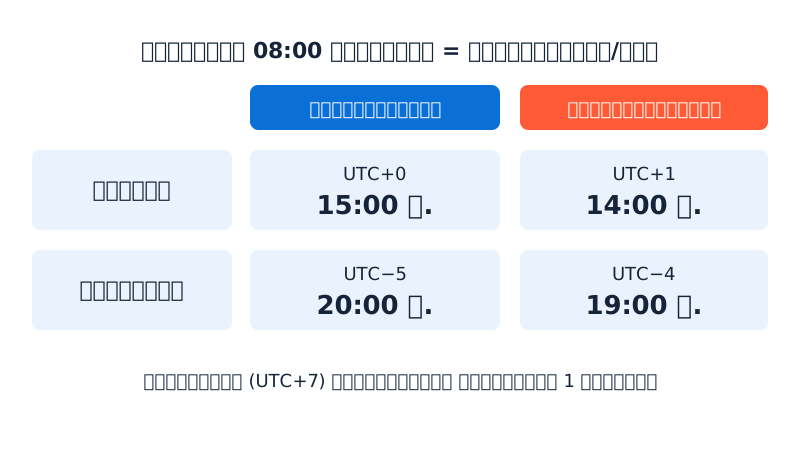
The US and the UK change their clocks with the seasons, while Thailand, Laos and Japan don't. As a result, the opening and closing times of London and New York in Thai time shift by 1 hour.
Time conversion examples:
- London opens at 08:00 local time
- Standard time (UTC+0): equals 15:00 in Thailand/Laos
- Daylight saving time (UTC+1): equals 14:00 in Thailand/Laos
- New York opens at 08:00 local time
- Standard time (UTC−5): equals 20:00
- Daylight saving time (UTC−4): equals 19:00
Calculation Example: How Different Times Affect Your Costs
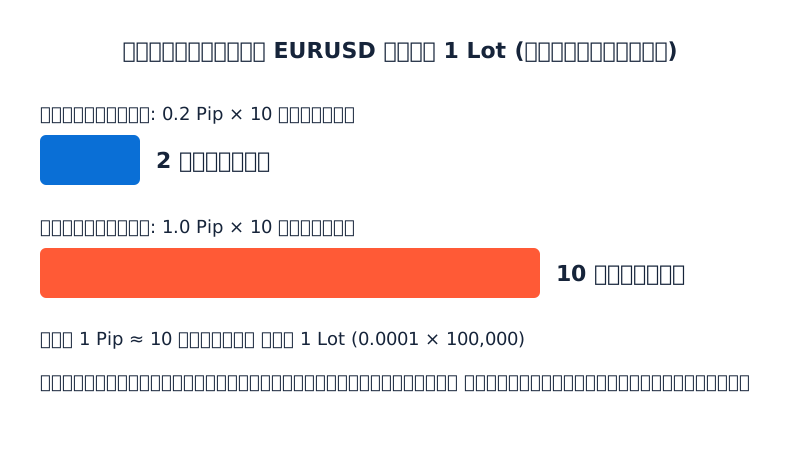
The spread is the difference between the buy price and the sell price. It is a cost you pay every time you open an order. Let's assume some numbers for learning purposes (not the real figures of any broker): EURUSD has a spread of 0.2 Pip when the market is busy and 1.0 Pip when the market is quiet.
For EURUSD at 1 Lot (100,000 units), 1 Pip ≈ 10 US dollars (0.0001 × 100,000).
- Busy period: 0.2 × 10 = 2 dollars per 1 Lot
- Quiet period: 1.0 × 10 = 10 dollars per 1 Lot
If you trade 0.1 Lot, the costs would be 0.2 dollars and 1 dollar respectively. So the time you choose can make your costs several times different, even though you do everything else exactly the same.
Fridays, Holidays, and Market Open and Close
New week open (Monday morning): Liquidity is still low, spreads can be wide, and prices may be far from where they closed on Friday (called a Gap) if something important happened over the weekend.
Fridays: In the evening and at night there is often important US news, and many traders close their positions before the weekend, so prices can move at odd moments. Near the market close (early Saturday morning Thai time), liquidity drops, and holding a position over the weekend carries Gap risk.
Holidays: Forex doesn't stop for Thai or Lao holidays, but it does follow major financial centers such as the US and the UK. Around Christmas and New Year, the market is often quiet and spreads may widen. Some brokers also change their trading hours on holidays, so check your platform's announcements in advance.
So When Should You Trade?
There is no single answer that works for everyone. Try considering these factors:
- The currency pairs or assets you're interested in: If you're interested in USDJPY, try observing both the Asian and New York sessions.
- Your real free time: If you work during the day, the evening in Thailand lines up with London and New York.
- Your style and the risk you can accept: Someone who dislikes high volatility may avoid major news periods.
- Cost: Look at the actual spread at different times, and compare them using a Demo account.
Risks and Common Mistakes
- Forgetting about daylight saving time, which leads you to think the market opens at the same time all year.
- Opening an order when news comes out. The spread can widen instantly, and the price may slip (Slippage), so you get a price different from what you intended.
- Not setting a Stop Loss, especially when holding a position overnight or over the weekend, since a Gap can make the price jump past your Stop Loss.
- Trading all night and not getting enough rest. Tiredness makes it easy to make mistakes.
- Trading too often because the market is always open. You don't need to be in the market at every session. Waiting for a moment that matches your plan is also a decision.
A busy period doesn't make winning easier. It just makes prices move more, which means more opportunity and more risk at the same time.
Summary
- The Forex market has 3 main sessions: Asia, London and New York. Each has a different character.
- Overlapping sessions, especially London–New York, usually have high trading volume.
- Thailand and Laos are both on UTC+7, but Western market times shift with the seasons.
- Be careful around the Monday market open, Friday evenings, and major foreign holidays.
- Try observing spreads and price behavior in a Demo account first, then choose times that suit your own plan.
This article provides basic knowledge for educational purposes only and is not investment advice. Trading Forex and gold involves risk, and you may lose your invested money.
Lesson quiz
Score at least 80% to pass this lesson.
Why is the Forex market open almost 24 hours a day?
In winter, when London is on standard time (UTC+0), London opens at 08:00 local time. What time is that in Thailand/Laos, and what happens when London switches to daylight saving time?
Using the article's example, EURUSD has a spread of 1.0 Pip in a quiet period and 0.2 Pip in a busy period, and 1 Pip ≈ 10 dollars at 1 Lot. If you open a 0.1 Lot trade, what is the spread cost in each period?
What is a key pro and con of the London–New York overlap, according to the article?
Why can holding a position over the weekend be risky even if you have set a Stop Loss?
Ask the AI tutor about this lesson
Stuck on something? Ask and get a simple answer with examples.