 Learn
What Is a Currency Pair? How to Read Bid, Ask and SpreadLearn how Base/Quote currency pairs work, how to read Bid and Ask prices, and why Spread is a trading cost, with a worked EURUSD example.
Latest articles
-
What Is a Pip? How to Calculate Profit and Loss in Money, With Examples
Learn what a Pip is and how to turn it into profit and loss in money for EURUSD, USDJPY and XAUUSD, step by step.
-
What Is a Lot? Standard, Mini and Micro Lots Explained
A Lot is the unit that measures your trade size. Learn how Standard, Mini and Micro Lots differ, with Pip value examples and tips for matching size to your risk.
-
What Is Forex, How Does It Work, and Who Trades It?
Learn the basics of the currency exchange market: how many hours it's open, who the main players are, what brokers do, and how it differs from exchanging money for a trip abroad.
-
Best Times to Trade Forex: Market Hours in Thai and Lao Time
The Forex market is open almost 24 hours, but activity varies a lot. Learn about the Asian, London and New York sessions, overlaps, and holidays to watch.
-
How to Choose a Safe Broker: A Beginner's Checklist
Before you deposit money to trade, learn how to check a broker's license, compare account types and costs, test deposits and withdrawals, and spot scam warning signs.
-
Start With a Demo Account and a Simple Trading Plan
How long should beginners practice on a Demo account, and what should a trading plan include? Learn entries, exits and risk per trade, with a worked example.
-
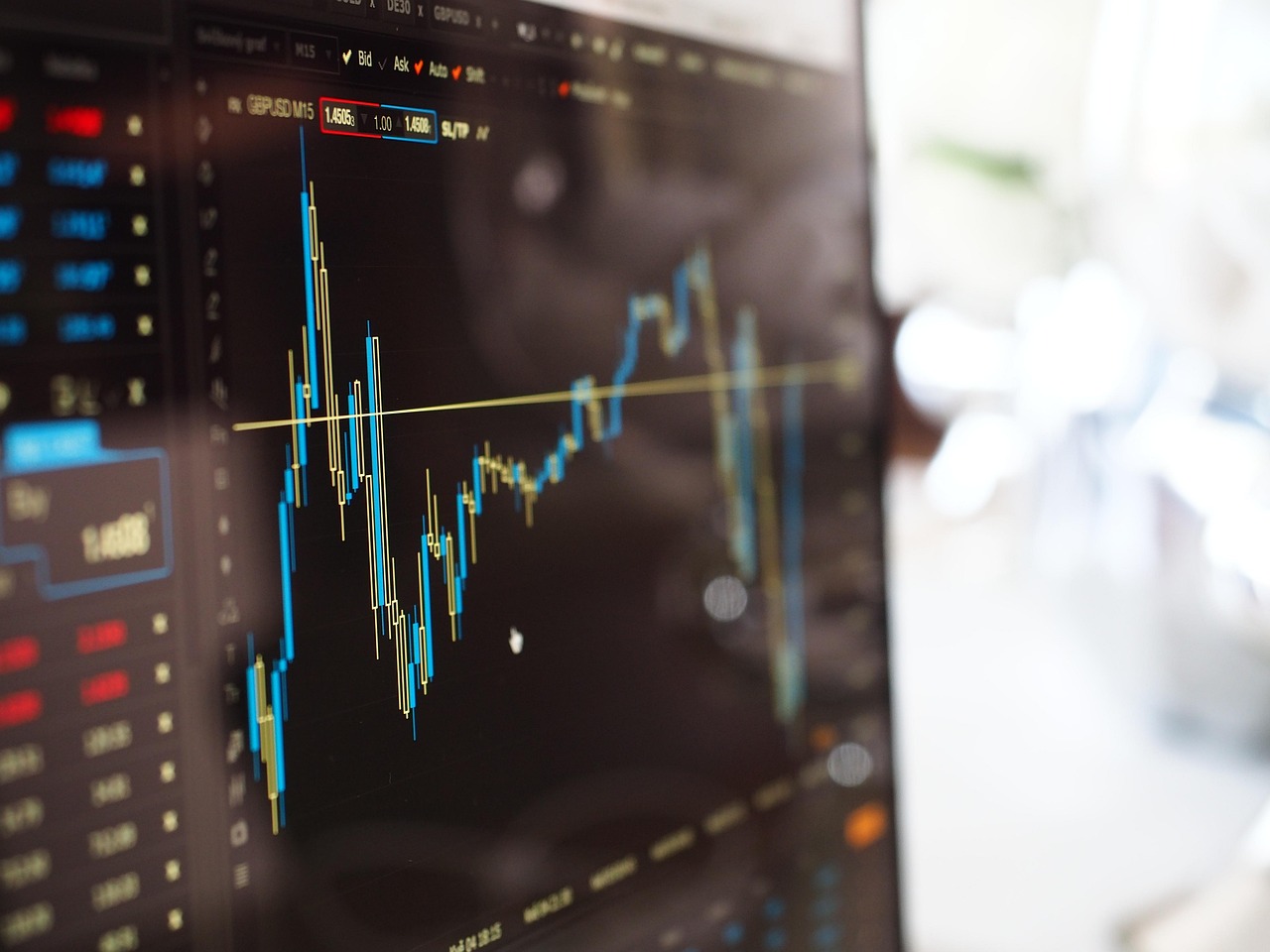
What Are Stocks and How Are They Different From Forex Trading?
A stock is a share of ownership in a company, while forex means trading currencies. See how they differ on dividends, market hours, leverage and risk.
-
Trading Risks Every Beginner Should Know and How to Manage Them
Learn the main risks of trading Forex, gold and stocks, with an example of how to calculate Lot size from the amount you can afford to lose on each trade.