 Learn
What Is a Currency Pair? How to Read Bid, Ask and SpreadLearn how Base/Quote currency pairs work, how to read Bid and Ask prices, and why Spread is a trading cost, with a worked EURUSD example.
Latest articles
-
What Is a Pip? How to Calculate Profit and Loss in Money, With Examples
Learn what a Pip is and how to turn it into profit and loss in money for EURUSD, USDJPY and XAUUSD, step by step.
-
What Is a Lot? Standard, Mini and Micro Lots Explained
A Lot is the unit that measures your trade size. Learn how Standard, Mini and Micro Lots differ, with Pip value examples and tips for matching size to your risk.
-
What Are Margin, Free Margin and Margin Call? A $500 Account Example
Understand Margin, Equity, Free Margin, Margin Level, Margin Call and Stop Out through a $500 account example, so you can manage risk better.
-
Where to Place Stop Loss and Take Profit: A Beginner's Guide
Learn to set Stop Loss and Take Profit from price structure, not from the amount you want to lose. Includes a Lot calculation example and the effect of Slippage during big news.
-
How Much to Risk Per Trade? The 1–2% Rule and Lot Size Formula
Learn the 1–2% risk rule per trade and the formula to calculate Lot size from the amount you accept losing and your Stop Loss, with a $1,000 account example.
-
What Is Risk:Reward? Why You Can Profit Winning Less Than Half
Understand the 1:2 Risk:Reward ratio and the minimum win rate that avoids a loss, with a 10-trade example calculated step by step.
-
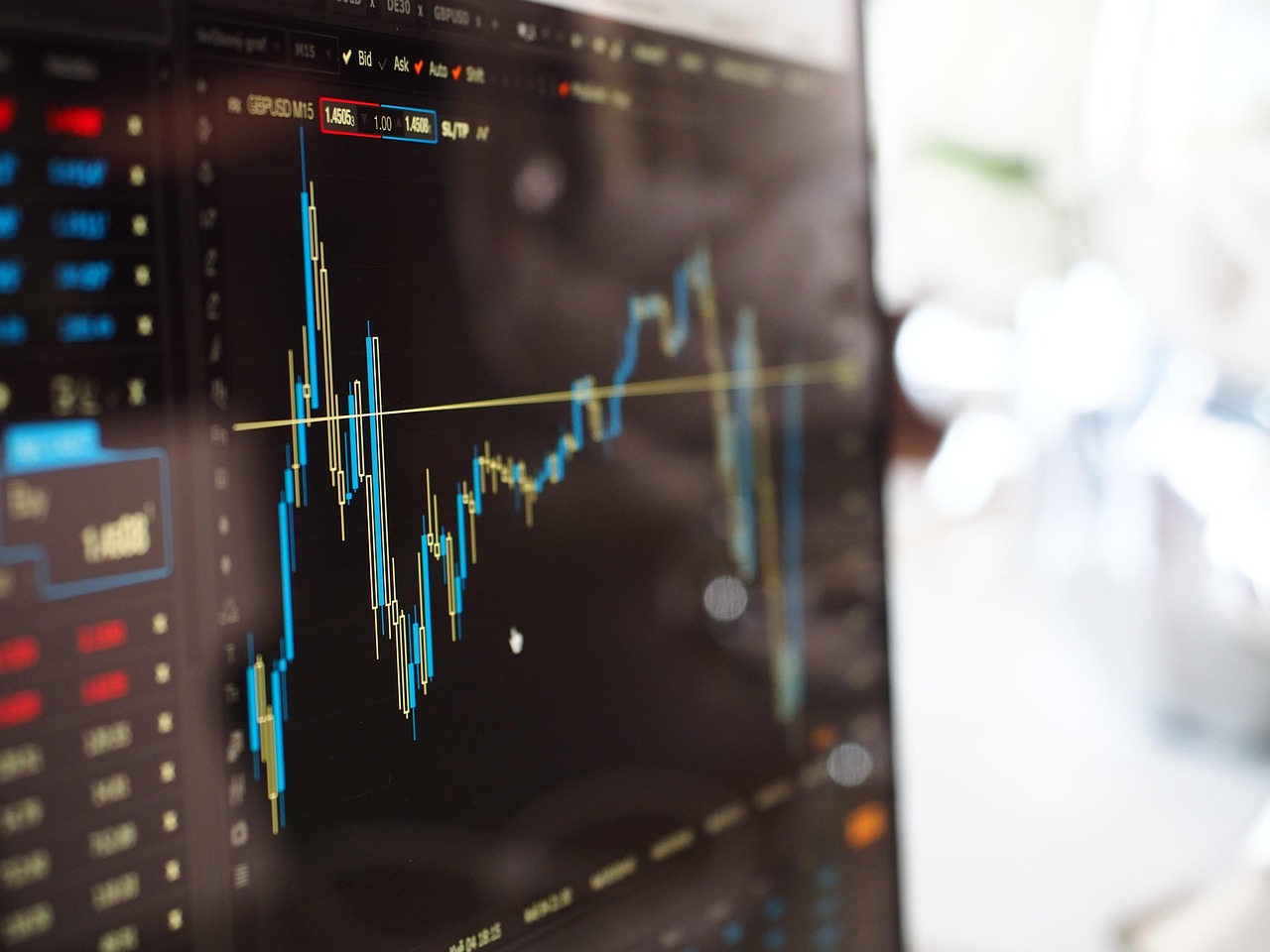
How to Read Candlestick Charts: A Beginner's Guide
Learn how to read candlesticks, from open, close, high and low prices to wicks, colors and timeframes, plus basic patterns like Doji, Pin bar and Engulfing.
-
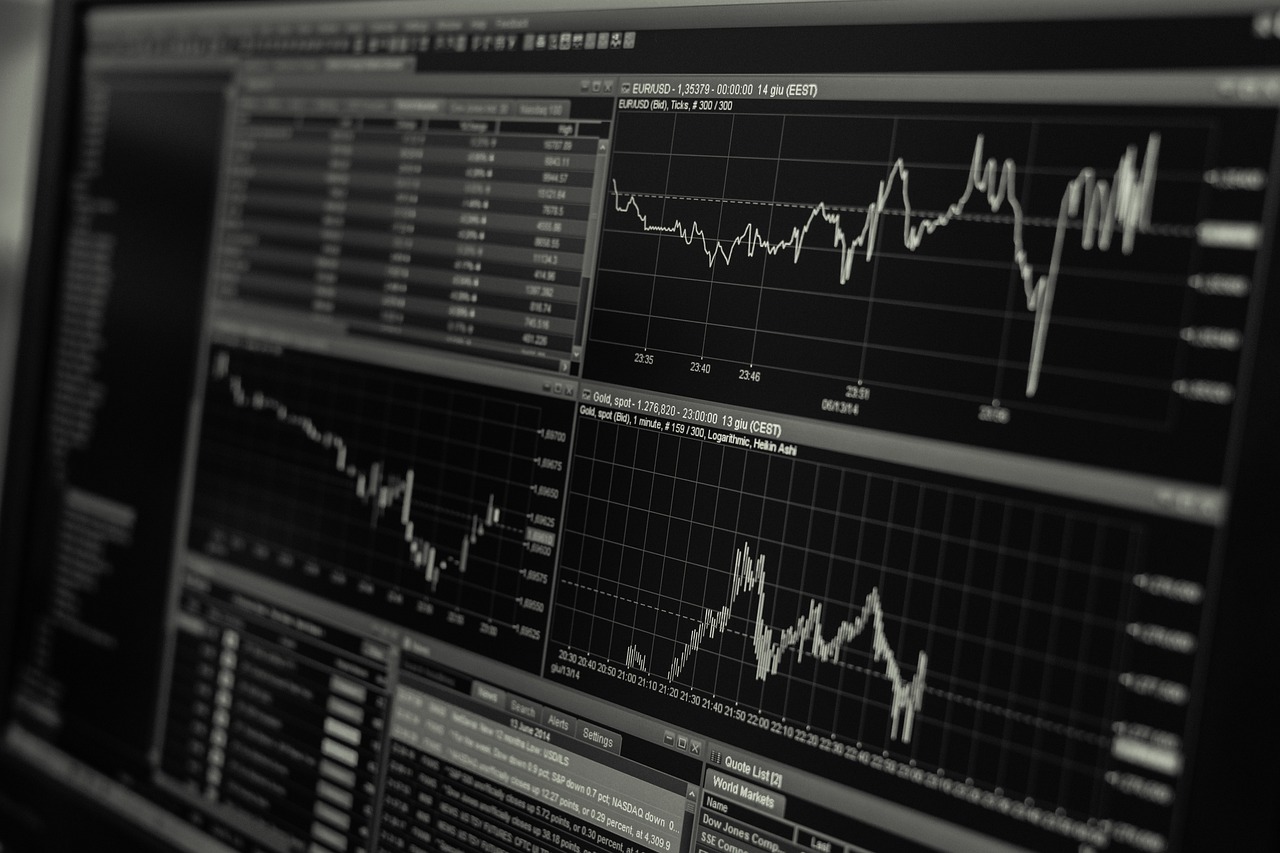
What Are Support and Resistance? How to Find Them, With Examples
Learn what support and resistance mean, how to find them as zones on a chart, how support turns into resistance, where to place a Stop Loss, and common mistakes.
-
What Is Forex, How Does It Work, and Who Trades It?
Learn the basics of the currency exchange market: how many hours it's open, who the main players are, what brokers do, and how it differs from exchanging money for a trip abroad.
-
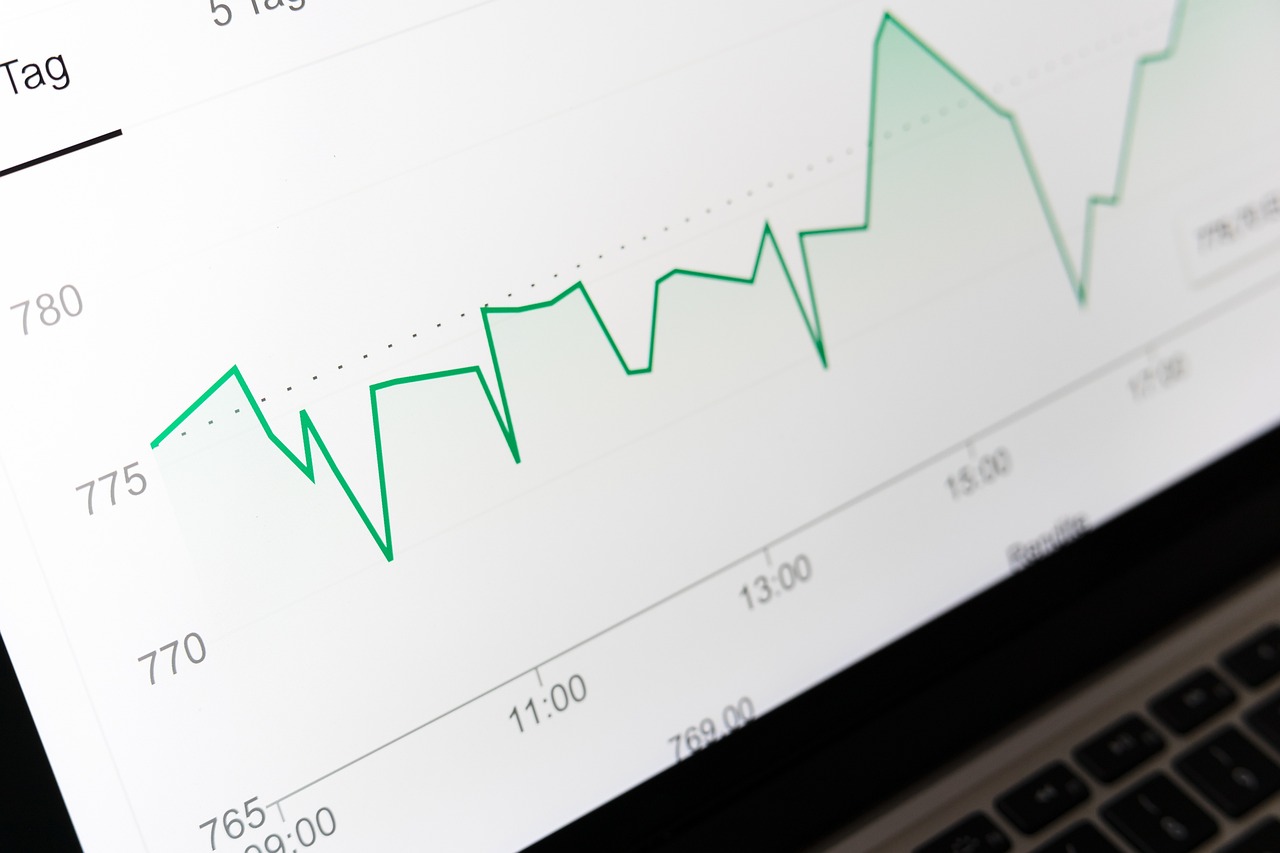
Trends and Moving Averages for Beginners
Learn how to spot a trend using higher highs and higher lows, and understand SMA and EMA moving averages, including the 50 and 200 lines and their limits.
-
NFP, CPI and Interest Rate News: Why Charts Move So Fast
Learn what NFP, CPI and interest rate meetings are, why markets react so strongly, and how to handle wide Spread and Slippage during news.
-
Why Gold (XAUUSD) Moves: Key Fundamentals for Beginners
Learn what makes XAUUSD rise and fall: the US dollar, real interest rates, global risk and central banks, plus a worked pip value example.

-
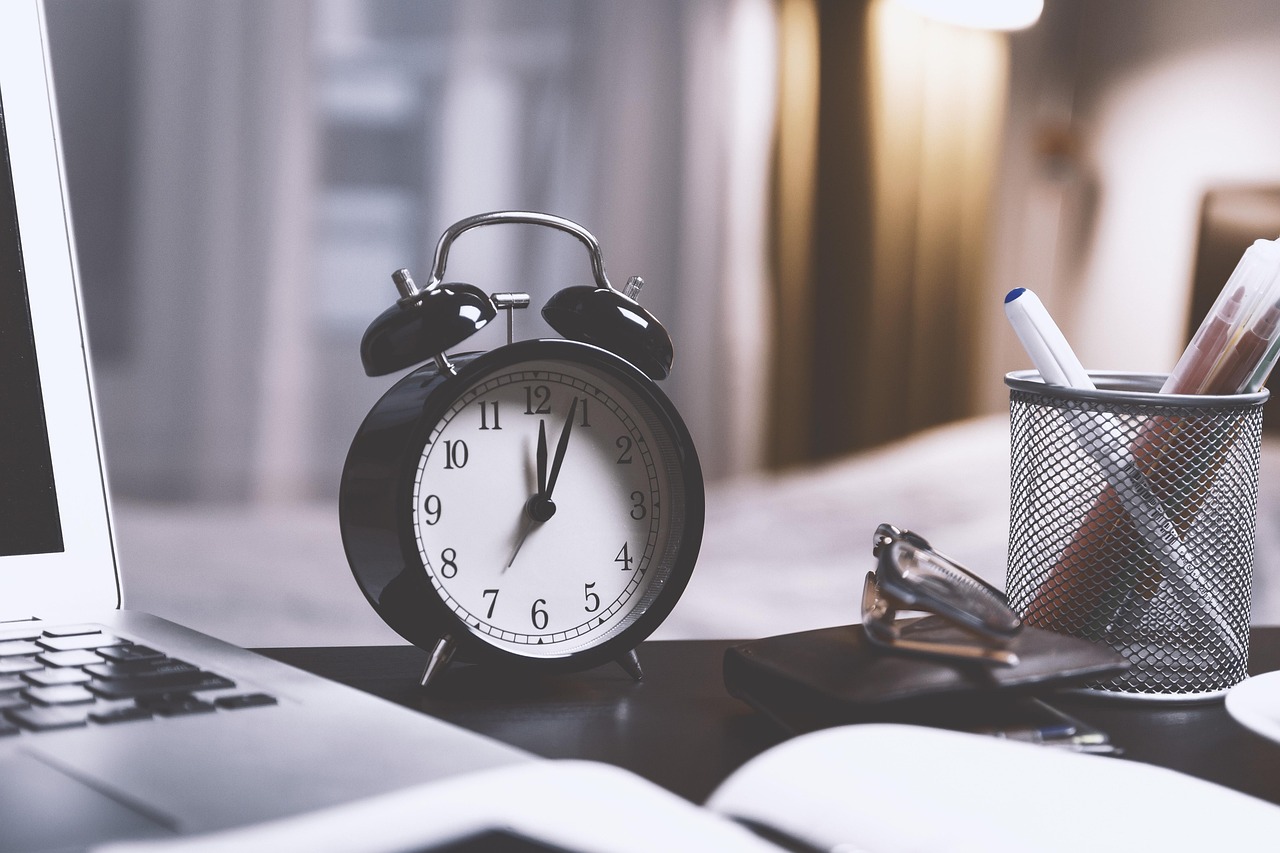
Best Times to Trade Forex: Market Hours in Thai and Lao Time
The Forex market is open almost 24 hours, but activity varies a lot. Learn about the Asian, London and New York sessions, overlaps, and holidays to watch.
-
How to Choose a Safe Broker: A Beginner's Checklist
Before you deposit money to trade, learn how to check a broker's license, compare account types and costs, test deposits and withdrawals, and spot scam warning signs.